The Joy of Paying It Forward: A Personal Experience
- Mervin Ellis, MS, LMFT, AAMFT,

- May 15
- 4 min read
Updated: May 30
The Power of Paying It Forward
Paying it forward means doing something kind for someone else without expecting anything in return. This concept has been around for centuries, but its impact remains powerful today. When someone pays for your gas, coffee, or meal, it’s more than just a financial gift. It’s a message that kindness and generosity still matter.
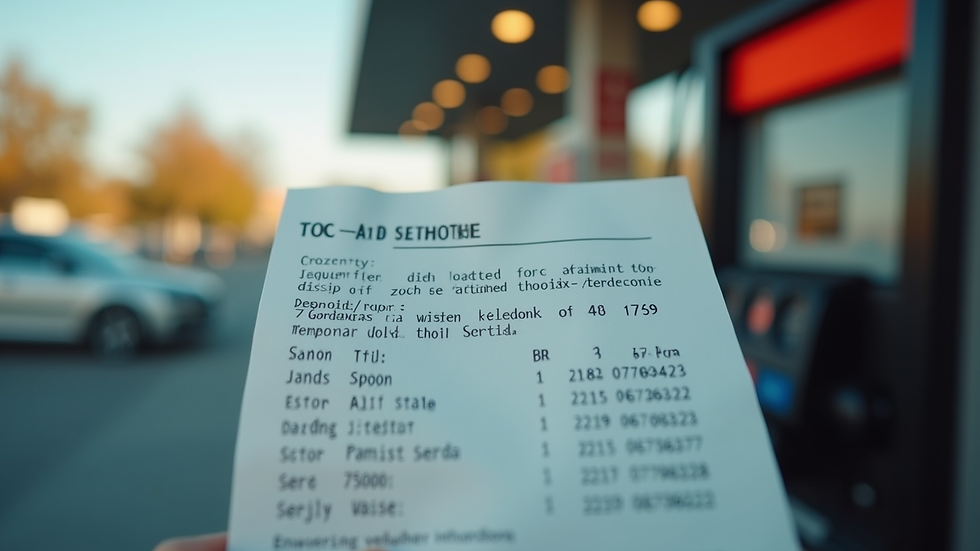
In my case, the driver before me at BJ’s gas station paid for my $85 worth of gas. He said he was paying it forward, and that simple statement stuck with me. It reminded me that good people are still around, and sometimes, all it takes is one small act to restore faith in humanity.
How Small Acts Create Big Changes
Small acts of kindness can have a big impact, especially when they inspire others to do the same. Here’s why paying it forward works:
Creates a chain reaction
When one person does something kind, it encourages others to follow. That $85 gas payment might inspire me to help someone else in need.
Builds community connections
Acts of kindness strengthen the bonds between strangers, making communities friendlier and more supportive.
Improves mental health
Giving and receiving kindness boosts happiness and reduces stress for both parties.
Encourages gratitude
Receiving an unexpected gift makes people appreciate what they have and motivates them to give back.
Real-Life Examples of Paying It Forward
Many stories show how paying it forward can change lives. Here are a few examples:
A woman paid for the coffee of the person behind her in line every day for a week. That person then paid for someone else’s meal, and the kindness spread throughout the neighborhood.
A man helped a stranded driver by paying for their tow truck. The driver later volunteered at a local shelter, inspired by the generosity.
A family covered the grocery bill for the person behind them during a busy holiday season, brightening a stranger’s day and easing their financial stress.
These examples show that paying it forward doesn’t require grand gestures. Simple acts like buying a coffee, holding the door, or paying for gas can make a difference.

How You Can Start Paying It Forward Today
You don’t need to wait for a special occasion to spread kindness. Here are practical ways to pay it forward:
Pay for someone’s gas or coffee
Like the driver at BJ’s gas station, cover the cost for the person behind you.
Leave a generous tip
Surprise your server or delivery person with an extra tip.
Offer help without being asked
Hold the door, carry groceries, or assist someone struggling.
Donate to a local charity
Support causes that help people in your community.
Share your skills or time
Volunteer or teach something useful to others.
Even small actions can brighten someone’s day and inspire them to do the same.
Why Kindness Matters More Than Ever
In a world that often feels rushed and disconnected, kindness reminds us of our shared humanity. Paying it forward helps build trust and empathy, which are essential for healthy communities. It also counters negativity and stress by focusing on positive connections.
When you experience kindness, like receiving free gas, it can change your outlook. You feel seen, valued, and motivated to pass that feeling on. This cycle of generosity creates a better environment for everyone.
Kindness is contagious. When you pay it forward, you contribute to a culture where people look out for one another. It’s a simple way to make the world a little better, one good deed at a time.
The Ripple Effect of Kindness
When we think about kindness, it’s essential to recognize its ripple effect. One small act can lead to many more. For instance, after my experience at BJ’s gas station, I felt inspired. I decided to pay for the coffee of the person behind me the next day. That simple act made my day brighter and hopefully theirs too.
The Science Behind Kindness
Research shows that kindness has tangible benefits. Studies indicate that acts of kindness can boost our mood and even improve our overall health. When we engage in kind acts, our brains release feel-good hormones like oxytocin and serotonin. These chemicals help reduce stress and promote a sense of well-being.
Creating a Kindness Culture
Imagine a world where kindness is the norm. We can create this culture by encouraging one another to engage in acts of kindness. It starts with us. By sharing our stories and experiences, we can inspire others to join in.
Conclusion: Embrace Kindness
In conclusion, kindness is a powerful tool. It can transform our lives and the lives of those around us. By paying it forward, we not only uplift others but also enrich our own lives. So, let’s embrace kindness and make it a part of our daily routine. Together, we can create a more compassionate world.
Remember, the next time you encounter an act of kindness, pay it forward. You never know how far your small gesture can go.


Comments