Understanding Inflammation: The Role of Gluten and Omega-6 Fatty Acids
- Mervin Ellis, MS, LMFT, AAMFT,

- Jan 24
- 3 min read
Updated: Feb 1
What Is Gluten and How Does It Affect Inflammation?
Gluten is a protein found in wheat, barley, rye, and related grains. It gives dough its elasticity and helps bread rise. For most people, gluten is harmless. However, some individuals experience adverse reactions to gluten, which can trigger inflammation.
Gluten Sensitivity and Autoimmune Reactions
Celiac Disease: This autoimmune disorder causes the immune system to attack the small intestine when gluten is consumed. The resulting inflammation can lead to nutrient malabsorption and joint pain.
Non-Celiac Gluten Sensitivity: Some people experience symptoms like joint pain, fatigue, and digestive issues without testing positive for celiac disease. Research suggests gluten may still trigger inflammation in these cases.
Gluten’s Role in Joint Inflammation
Gluten can contribute to inflammation by activating the immune system. In susceptible individuals, gluten peptides may increase the production of inflammatory molecules called cytokines. This immune response can worsen joint pain and stiffness, especially in conditions like rheumatoid arthritis.
Practical Tips to Manage Gluten Intake
Identify Gluten Sources: Common foods include bread, pasta, cereals, and baked goods.
Try Gluten-Free Alternatives: Quinoa, rice, and gluten-free oats can replace gluten-containing grains.
Consult a Healthcare Provider: Before eliminating gluten, get tested for celiac disease or gluten sensitivity to avoid nutritional deficiencies.
Omega-6 Fatty Acids and Their Connection to Inflammation
Omega-6 fatty acids are a type of polyunsaturated fat found in many vegetable oils, nuts, and processed foods. While omega-6 fats are essential for health, an imbalance between omega-6 and omega-3 fatty acids can promote inflammation.
How Omega-6 Fatty Acids Influence Inflammation
Omega-6 fats are precursors to pro-inflammatory compounds like prostaglandins and leukotrienes. When consumed in excess, especially relative to omega-3 fats, they can increase the body's inflammatory response.
Common Sources of Omega-6 Fatty Acids
Corn oil
Soybean oil
Sunflower oil
Processed snacks and fast food
Balancing Omega-6 and Omega-3 Intake
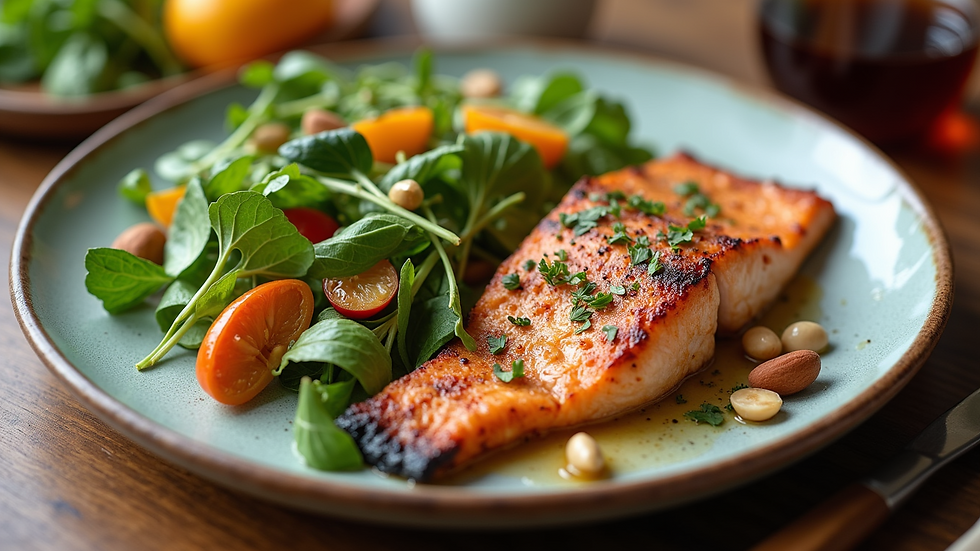
Increase Omega-3 Consumption: Foods rich in omega-3 include fatty fish (salmon, mackerel), flaxseeds, and walnuts.
Limit Processed Foods: These often contain high levels of omega-6 oils.
Use Healthier Cooking Oils: Olive oil and avocado oil have better omega-6 to omega-3 ratios.

The Combined Effect of Gluten and Omega-6 on Joint Health
When gluten sensitivity and a high omega-6 diet occur together, they may amplify inflammation. This combination can worsen symptoms in people with arthritis or other inflammatory joint conditions.
Research Insights
Studies show that reducing gluten intake in sensitive individuals lowers inflammatory markers.
Balancing omega-6 and omega-3 fatty acids improves joint mobility and reduces pain in arthritis patients.
Diets high in processed foods rich in omega-6 and gluten may increase the risk of developing chronic inflammation.
Lifestyle Changes to Support Joint Health
Adopt an Anti-Inflammatory Diet: Emphasize whole foods, vegetables, fruits, lean proteins, and healthy fats.
Monitor Symptoms: Keep a food diary to track how gluten and omega-6 rich foods affect joint pain.
Stay Active: Regular exercise supports joint function and reduces inflammation.
Practical Strategies for Reducing Inflammation
Understanding Your Body’s Needs
Every individual has unique dietary needs. It's essential to listen to your body and understand how different foods affect you. Keeping a food diary can help identify patterns and triggers.
Incorporating Anti-Inflammatory Foods
Focus on incorporating a variety of anti-inflammatory foods into your diet. Leafy greens, berries, nuts, and fatty fish are excellent choices. These foods can help combat inflammation and promote overall health.
Staying Hydrated
Don’t underestimate the power of hydration. Drinking enough water is crucial for maintaining joint lubrication and overall health. Aim for at least eight glasses of water a day, adjusting based on your activity level.
Mindfulness and Stress Management
Stress can exacerbate inflammation. Incorporating mindfulness practices such as meditation or yoga can help manage stress levels. These practices not only support mental health but also contribute to physical well-being.
Final Thoughts on Managing Inflammation Through Diet
Understanding the roles of gluten and omega-6 fatty acids in inflammation helps people make better dietary choices for joint health. While gluten affects only a subset of the population, omega-6 fatty acids are widespread in modern diets and can contribute to chronic inflammation if not balanced properly. By reducing gluten intake when necessary and balancing omega-6 with omega-3 fats, individuals can support healthier joints and reduce discomfort.
If you experience persistent joint pain or suspect food-related inflammation, consider consulting a healthcare professional or dietitian. They can help tailor a diet plan that fits your needs and supports long-term joint health.
For more information on managing inflammation through dietary changes, check out Hillord Health LLC. They aim to be a trusted partner in mental well-being, helping individuals navigate life's challenges to achieve emotional health and stronger relationships.


Yes, I am going to do it!!