The Transformative Power of One Minute Kindness
- Mervin Ellis, MS, LMFT, AAMFT,

- May 17
- 3 min read
Updated: May 30
How One Minute Can Make a Difference
Psychologists have long studied the effects of kindness on mental health. Even brief moments of generosity or compassion trigger positive emotional responses. When you take a minute to smile, offer a compliment, or help someone, your brain releases feel-good chemicals like oxytocin and serotonin. These chemicals reduce stress and increase feelings of happiness.
For the person receiving kindness, the impact can be equally significant. A small gesture can interrupt negative thought patterns, reduce feelings of loneliness, and foster a sense of connection. This is especially important in times of social isolation or emotional distress.
Examples of One Minute Kindness
Holding the door open for someone
Offering a genuine compliment
Sending a quick message to check in on a friend
Helping someone carry a small load
Sharing a smile or friendly greeting
Each of these actions takes less than a minute but can brighten someone’s day and improve their mental state.
The Science Behind Kindness and Wellbeing
Research shows that kindness benefits both mental and physical health. A study published in the Journal of Social Psychology found that people who performed acts of kindness experienced increased life satisfaction and reduced symptoms of depression. Another study in Psychological Science demonstrated that giving to others activates brain regions associated with pleasure and reward.
Kindness also strengthens social bonds. Humans are wired for connection, and positive interactions build trust and support networks. These networks act as buffers against stress and mental health challenges.
How Kindness Affects the Brain
Oxytocin release: Often called the “love hormone,” oxytocin promotes bonding and reduces anxiety.
Serotonin boost: This neurotransmitter improves mood and emotional regulation.
Reduced cortisol: Acts of kindness can lower cortisol, the stress hormone, helping to calm the nervous system.
These biological effects explain why kindness feels good and why it supports mental health.

Practical Tips to Incorporate One Minute Kindness Daily
Making kindness a habit doesn’t require big gestures or extra time. Here are some practical ways to include one minute of kindness in your daily routine:
Start your day with a positive message: Send a quick text or email to someone you appreciate.
Be mindful of opportunities: Look for moments to help or encourage others during your day.
Practice active listening: Give someone your full attention for a minute, showing you care.
Express gratitude: Thank someone sincerely, whether a colleague, family member, or stranger.
Use kindness as a break: When feeling stressed, pause to do something kind for someone else to shift your focus.
These small actions can create a ripple effect, improving your mood and strengthening relationships.
Kindness and Mental Health in Challenging Times
During difficult periods, such as illness, loss, or global crises, kindness becomes even more critical. A minute of kindness can provide emotional support and remind people they are not alone. Mental health professionals often encourage acts of kindness as part of coping strategies because they foster hope and resilience.
For example, volunteering a minute to listen to someone struggling or sending a supportive message can make a meaningful difference. These moments build emotional safety and encourage people to seek further help if needed.
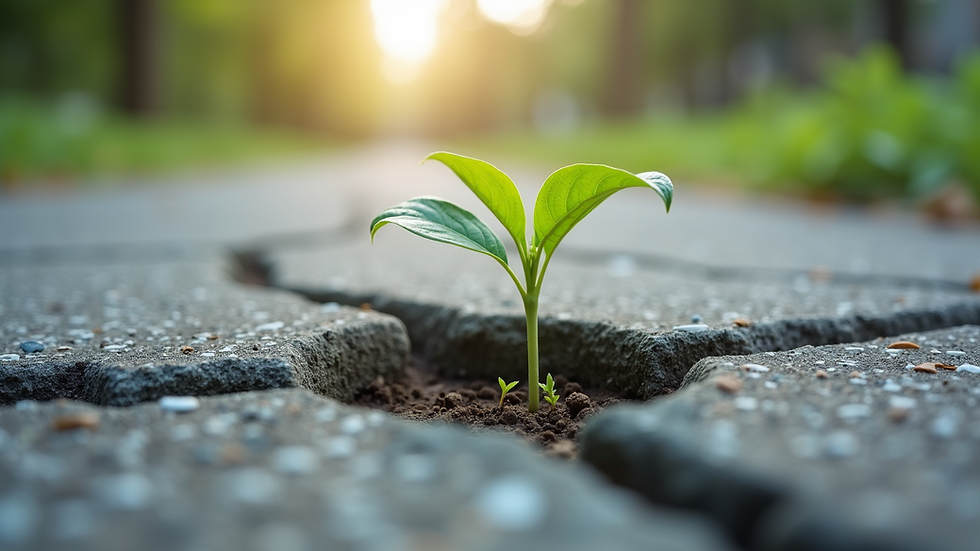
The Ripple Effect of Kindness
Creating a Culture of Kindness
To foster a culture of kindness, we must lead by example. When we consistently engage in small acts of kindness, we inspire others to do the same. This creates a chain reaction, where kindness becomes the norm rather than the exception.
The Long-Term Benefits of Kindness
The benefits of kindness extend beyond the immediate moment. Regularly practicing kindness can lead to improved mental health over time. It can reduce feelings of anxiety and depression, increase life satisfaction, and even enhance physical health.
Kindness in the Digital Age
In our increasingly digital world, kindness can also be expressed online. A simple comment of encouragement or a supportive message can uplift someone’s spirits. Social media can be a powerful tool for spreading kindness, allowing us to reach people we may never meet in person.
Final Thoughts on the Impact of One Minute Kindness
Taking just one minute to improve someone else’s life is a simple but powerful way to enhance wellbeing and mental health. The science is clear: kindness benefits both the giver and receiver by boosting mood, reducing stress, and strengthening social connections. Small acts, repeated daily, build a kinder, more supportive community.
In conclusion, remember that a minute of kindness can change lives. Whether it's a smile, a compliment, or a helping hand, your actions matter. So, let’s make kindness a priority and watch how it transforms our world.
---wix---


Comments